
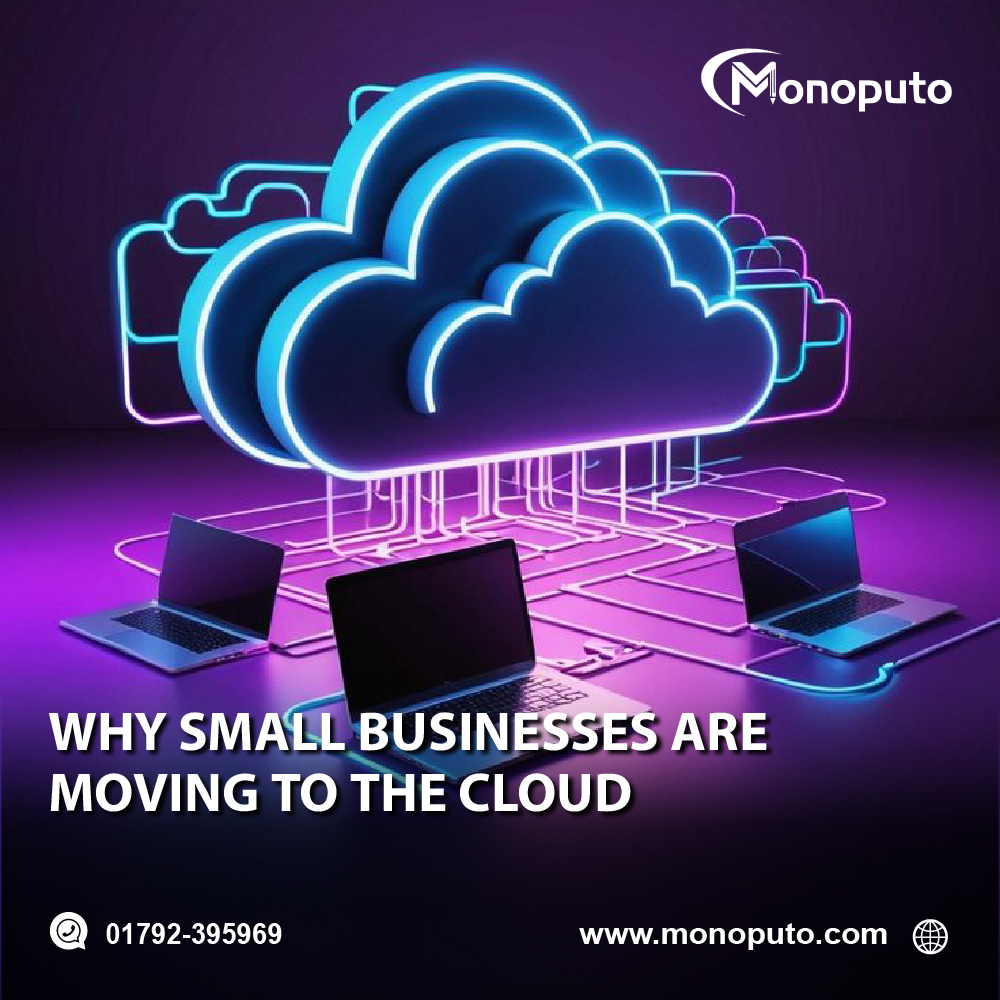
Technology has become a key driver of business success, and cloud computing is leading the way. More small businesses are moving away from traditional IT systems and embracing cloud solutions to stay competitive, reduce costs, and improve efficiency.
Cloud computing provides access to powerful business tools, secure data storage, and scalable infrastructure without the need for expensive hardware or complex IT management. Whether it's managing files, running applications, or supporting remote teams, the cloud offers businesses the flexibility they need to grow.
In this article, we'll explore why small businesses are moving to the cloud and the benefits that make cloud computing an essential investment for long-term success.
What Is Cloud Computing?
Cloud computing is the delivery of computing services such as storage, servers, databases, software, networking, and analytics over the internet. Instead of owning and maintaining physical servers, businesses access these services from trusted cloud providers and pay only for the resources they use.
Popular cloud services include:
Cloud storage
Business applications
Email hosting
Virtual servers
Backup and disaster recovery
Collaboration tools
1. Lower IT Costs
One of the biggest reasons small businesses adopt cloud computing is cost savings.
Traditional IT infrastructure requires significant investments in:
Physical servers
Networking equipment
Software licenses
Maintenance
Hardware upgrades
Technical support
Cloud computing eliminates many of these expenses through flexible subscription or pay-as-you-go pricing, allowing businesses to control costs while accessing enterprise-grade technology.
2. Easy Scalability
Small businesses often experience changing workloads as they grow.
Cloud solutions make it easy to:
Add storage
Increase computing power
Support additional users
Launch new applications
Expand into new markets
Businesses can scale resources up or down without purchasing expensive new hardware.
3. Improved Remote Work
Today's workforce is more mobile than ever.
Cloud computing enables employees to securely access files, applications, and business systems from anywhere with an internet connection.
Benefits include:
Flexible work arrangements
Better collaboration
Increased productivity
Faster communication
Reduced office dependency
This flexibility helps businesses attract talent while improving operational efficiency.
4. Better Data Security
Many small businesses worry about protecting sensitive business information.
Leading cloud providers invest heavily in security technologies including:
Data encryption
Multi-factor authentication
Continuous monitoring
Firewalls
Threat detection
Automatic security updates
These enterprise-level security measures often exceed what many small businesses can implement on their own.
5. Automatic Software Updates
Keeping software updated can be time-consuming and expensive.
Cloud applications automatically receive:
Security patches
Feature updates
Performance improvements
Bug fixes
This ensures businesses always use the latest technology without manual installations or downtime.
6. Reliable Backup and Disaster Recovery
Unexpected events such as hardware failures, cyberattacks, or natural disasters can lead to costly data loss.
Cloud solutions provide:
Automatic backups
Off-site storage
Rapid recovery
Business continuity
Reduced downtime
This helps businesses recover quickly and minimize disruptions.
7. Increased Collaboration
Cloud-based collaboration tools allow teams to work together in real time.
Employees can:
Share documents instantly
Edit files simultaneously
Communicate efficiently
Access shared resources
Track project progress
Improved collaboration leads to faster decision-making and better productivity.
8. Reduced Maintenance
Managing physical servers requires:
Regular maintenance
Hardware replacements
System monitoring
Software upgrades
Cloud providers handle most infrastructure management, allowing businesses to focus on serving customers and growing their operations instead of maintaining IT systems.
9. Better Business Flexibility
Cloud computing allows businesses to adapt quickly to changing market conditions.
Companies can:
Launch new services faster
Support seasonal demand
Add employees easily
Expand operations globally
Integrate new business applications
This agility provides a significant competitive advantage.
10. Access to Advanced Technologies
Cloud computing gives small businesses access to powerful technologies that were once only available to large enterprises.
These include:
Artificial Intelligence (AI)
Machine Learning
Business Analytics
Automation Tools
Cloud Databases
Customer Relationship Management (CRM)
Marketing Platforms
Access to these technologies helps businesses improve efficiency, customer service, and decision-making.
11. Improved Customer Experience
Cloud solutions support better customer service through:
Faster response times
Secure customer data management
Online support systems
AI-powered chatbots
Reliable business applications
A better customer experience often leads to increased customer satisfaction and stronger brand loyalty.
12. Supports Business Growth
As businesses expand, their technology needs grow as well.
Cloud computing provides the flexibility to:
Support more employees
Manage larger workloads
Store increasing amounts of data
Launch additional services
Improve operational efficiency
Businesses can grow without making major infrastructure investments.
Key Benefits of Cloud Computing for Small Businesses
Moving to the cloud offers numerous advantages:
Lower operating costs
Increased flexibility
Better collaboration
Stronger security
Automatic updates
Faster scalability
Reliable backup solutions
Improved productivity
Business continuity
Easier remote work
Together, these benefits help small businesses compete more effectively in today's digital marketplace.
Best Practices Before Moving to the Cloud
To ensure a successful cloud migration:
Evaluate your business needs
Choose a trusted cloud provider
Develop a migration strategy
Train employees on cloud tools
Implement strong security policies
Enable multi-factor authentication
Regularly back up critical data
Monitor cloud usage and expenses
Planning ahead helps maximize the benefits of cloud adoption while minimizing potential challenges.
Why Choose Monoputo?
At Monoputo, we help small businesses embrace cloud technology with secure, scalable, and cost-effective solutions tailored to their unique needs. Whether you're migrating to the cloud for the first time or optimizing your existing infrastructure, our experts ensure a smooth transition with minimal disruption.
Our services include:
Cloud Migration Services
Cloud Infrastructure Management
Cloud Security Solutions
Business Automation
AI Integration
Website Development
Search Engine Optimization (SEO)
Digital Marketing
IT Consulting
Ongoing Technical Support
We work closely with businesses to build cloud environments that improve efficiency, enhance security, and support sustainable growth.
Frequently Asked Questions
Is cloud computing suitable for small businesses?
Yes. Cloud computing is especially beneficial for small businesses because it reduces upfront costs, provides flexible scalability, and eliminates the need for extensive IT infrastructure.
Is cloud computing secure?
Leading cloud providers offer advanced security features such as encryption, multi-factor authentication, continuous monitoring, and automatic updates to help protect business data.
How does cloud computing help businesses grow?
Cloud computing allows businesses to scale resources, improve collaboration, support remote work, and access advanced technologies without major infrastructure investments, making growth more efficient and cost-effective.
Conclusion
Cloud computing has become a game-changer for small businesses looking to reduce costs, improve productivity, and stay competitive in a rapidly evolving digital world. From flexible pricing and enhanced security to seamless collaboration and effortless scalability, the cloud provides the tools businesses need to grow with confidence.
By moving to the cloud, small businesses can focus less on managing technology and more on delivering value to customers, driving innovation, and achieving long-term success.
At Monoputo, we specialize in helping businesses unlock the full potential of cloud computing with reliable, secure, and scalable solutions tailored to their goals.
Get Started Today!
📞 Call: +880 1792-395969
🌐 Website: www.monoputo.com
📧 Contact Monoputo today for a FREE consultation and discover how our cloud computing solutions can help your business reduce costs, improve efficiency, and accelerate growth.
Monoputo – Your Trusted Partner for Cloud Computing, AI Solutions, Cybersecurity, Digital Marketing, SEO, and Business Innovation.