
Cloud computing has become a cornerstone of modern business operations, offering organizations greater flexibility, scalability, and efficiency than traditional IT infrastructure. As businesses increasingly embrace digital transformation, cloud migration has emerged as a strategic move to improve performance, reduce costs, and prepare for future growth.
However, migrating to the cloud involves much more than simply transferring files from one location to another. It requires careful planning, selecting the right cloud services, ensuring data security, and minimizing business disruptions.
Whether you're running a startup, a growing small business, or an established company, this guide will help you understand the cloud migration process and make informed decisions for a successful transition.
What Is Cloud Migration?
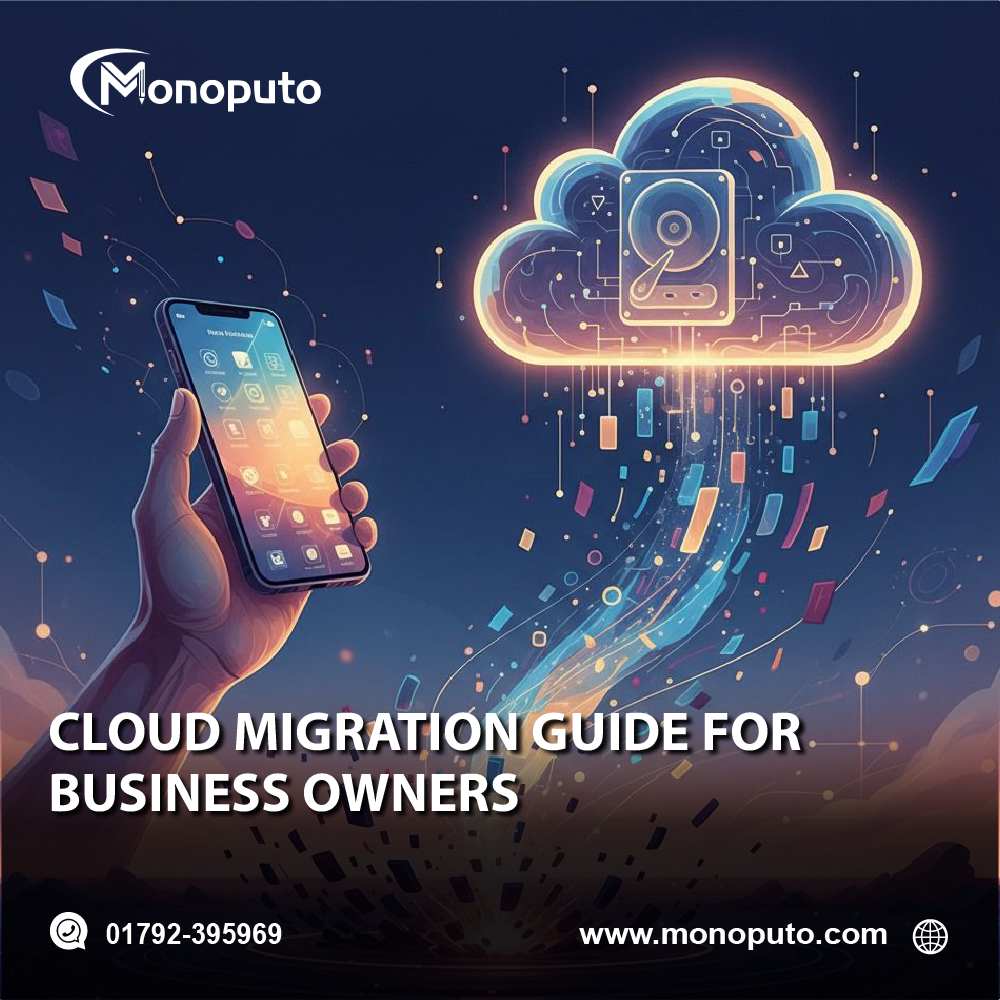
Cloud migration is the process of moving digital assets—including applications, databases, files, workloads, and IT resources—from on-premises servers or older systems to cloud-based infrastructure.
Businesses may choose to migrate to:
Public Cloud
Private Cloud
Hybrid Cloud
Multi-Cloud Environment
The right choice depends on your business requirements, security needs, compliance obligations, and budget.
Why Businesses Are Moving to the Cloud
Cloud migration is driven by the growing need for flexibility and operational efficiency. Businesses that migrate to the cloud often experience:
Reduced IT expenses
Improved scalability
Enhanced collaboration
Better data security
Faster application deployment
Reliable backup and disaster recovery
Increased business continuity
Improved remote work capabilities
These advantages allow organizations to stay competitive while focusing on innovation rather than infrastructure management.
Step 1: Evaluate Your Current Infrastructure
Before migrating, conduct a thorough assessment of your existing IT environment.
Consider:
Current servers
Applications
Databases
Storage systems
Network architecture
Security controls
Software licenses
Business-critical systems
Understanding your existing infrastructure helps identify what should be migrated, upgraded, replaced, or retired.
Step 2: Define Business Goals
Every cloud migration should support clear business objectives.
Ask questions such as:
Are you trying to reduce costs?
Do you need better scalability?
Is remote work a priority?
Do you want stronger cybersecurity?
Are you preparing for business growth?
Clearly defined goals make it easier to select the right migration strategy.
Step 3: Choose the Right Cloud Model
There are several cloud deployment options available.
Public Cloud
Ideal for:
Small businesses
Startups
Web applications
Flexible workloads
Benefits include lower costs, rapid deployment, and virtually unlimited scalability.
Private Cloud
Suitable for organizations requiring:
Greater security
Regulatory compliance
Full infrastructure control
Dedicated resources
Commonly used in healthcare, finance, and government sectors.
Hybrid Cloud
A hybrid cloud combines public and private cloud environments.
It allows businesses to keep sensitive workloads in a private environment while using the public cloud for less critical applications, balancing security with flexibility.
Multi-Cloud
A multi-cloud strategy uses services from multiple cloud providers.
Benefits include:
Reduced vendor dependency
Higher availability
Improved disaster recovery
Optimized performance
Step 4: Create a Migration Plan
A structured migration plan reduces downtime and minimizes risks.
Your plan should include:
Timeline
Budget
Resource allocation
Risk assessment
Backup strategy
Testing procedures
Rollback plan
Employee training
Planning every stage helps ensure a smooth migration with minimal disruption.
Step 5: Prepare Your Data
Before migrating:
Remove outdated files
Eliminate duplicate data
Organize databases
Verify data integrity
Encrypt sensitive information
Create complete backups
Cleaning your data reduces migration time and improves efficiency.
Step 6: Strengthen Security
Security should be integrated into every phase of cloud migration.
Best practices include:
Enable Multi-Factor Authentication (MFA)
Encrypt data during transfer and storage
Apply role-based access controls
Monitor user activity
Use secure APIs
Conduct regular security audits
Protecting business data is essential throughout the migration process.
Step 7: Test Before Going Live
Testing helps identify issues before they affect daily operations.
Verify:
Application performance
Database connectivity
File accessibility
User permissions
Security settings
System integrations
Backup functionality
Resolve any problems before fully transitioning to the cloud.
Step 8: Train Your Team
Employees play a key role in successful cloud adoption.
Provide training on:
New software
Cloud storage
Security policies
Collaboration tools
Access management
Best practices
Well-trained employees improve productivity and reduce errors.
Common Cloud Migration Challenges
While cloud migration offers many advantages, businesses may encounter challenges such as:
Downtime during migration
Data compatibility issues
Security concerns
Budget overruns
Legacy software limitations
Staff resistance to change
Compliance requirements
Working with experienced cloud professionals helps reduce these risks.
Benefits After Migration
Once migration is complete, businesses often experience:
Lower Costs
Pay only for the resources you use while reducing hardware and maintenance expenses.
Improved Flexibility
Scale computing resources quickly as your business grows.
Better Collaboration
Employees can securely access files and applications from anywhere.
Increased Reliability
Leading cloud providers offer high availability and built-in redundancy to reduce downtime.
Stronger Disaster Recovery
Automated backups and recovery solutions help protect critical business data.
Faster Innovation
Cloud platforms make it easier to adopt emerging technologies such as AI, analytics, and automation.
Cloud Migration Best Practices
For a successful migration:
Define clear business objectives.
Choose the right cloud provider.
Migrate in phases rather than all at once.
Test applications thoroughly.
Maintain secure backups.
Monitor performance continuously.
Optimize cloud resources after migration.
Train employees regularly.
Review security settings frequently.
Work with experienced cloud experts.
Following these best practices helps ensure a smooth and efficient transition.
Why Choose Monoputo?
At Monoputo, we help businesses simplify cloud migration with secure, reliable, and scalable solutions tailored to their unique needs. Our experienced team works closely with clients to minimize downtime, protect valuable data, and optimize cloud environments for long-term success.
Our cloud services include:
Cloud Migration Planning
Cloud Infrastructure Setup
Data Migration
Cloud Security Solutions
Backup & Disaster Recovery
Cloud Optimization
AI Integration
IT Consulting
Managed Cloud Services
Ongoing Technical Support
Whether you're moving a small business to the cloud or modernizing enterprise systems, Monoputo provides expert guidance every step of the way.
Frequently Asked Questions
How long does cloud migration take?
The timeline depends on the size and complexity of your IT environment. Small businesses may complete migration in a few weeks, while larger organizations with multiple applications and databases may require several months.
Is cloud migration secure?
Yes. When planned correctly, cloud migration can improve security through encryption, multi-factor authentication, continuous monitoring, and advanced security controls provided by reputable cloud providers.
Can businesses migrate without downtime?
Many migrations can be completed with minimal downtime by using phased migration strategies, careful testing, and detailed planning.
Conclusion
Cloud migration is more than a technology upgrade—it's a strategic investment that enables businesses to become more agile, secure, and efficient. By carefully evaluating your infrastructure, selecting the right cloud model, preparing your data, and following proven best practices, you can ensure a successful migration with minimal disruption.
The cloud empowers businesses to scale faster, support remote work, reduce operational costs, and take advantage of innovative technologies that drive long-term growth. Whether you're just beginning your cloud journey or looking to optimize your existing environment, a well-planned migration can position your business for future success.
At Monoputo, we're committed to helping organizations navigate every stage of cloud migration with confidence and expertise.
Get Started Today!
📞 Call: +880 1792-395969
🌐 Website: www.monoputo.com
📧 Contact Monoputo today for a FREE consultation and discover how our cloud migration services can help your business transition to the cloud securely, efficiently, and with confidence.
Monoputo – Your Trusted Partner for Cloud Computing, AI Solutions, Cybersecurity, Digital Marketing, SEO, and Business Innovation.