
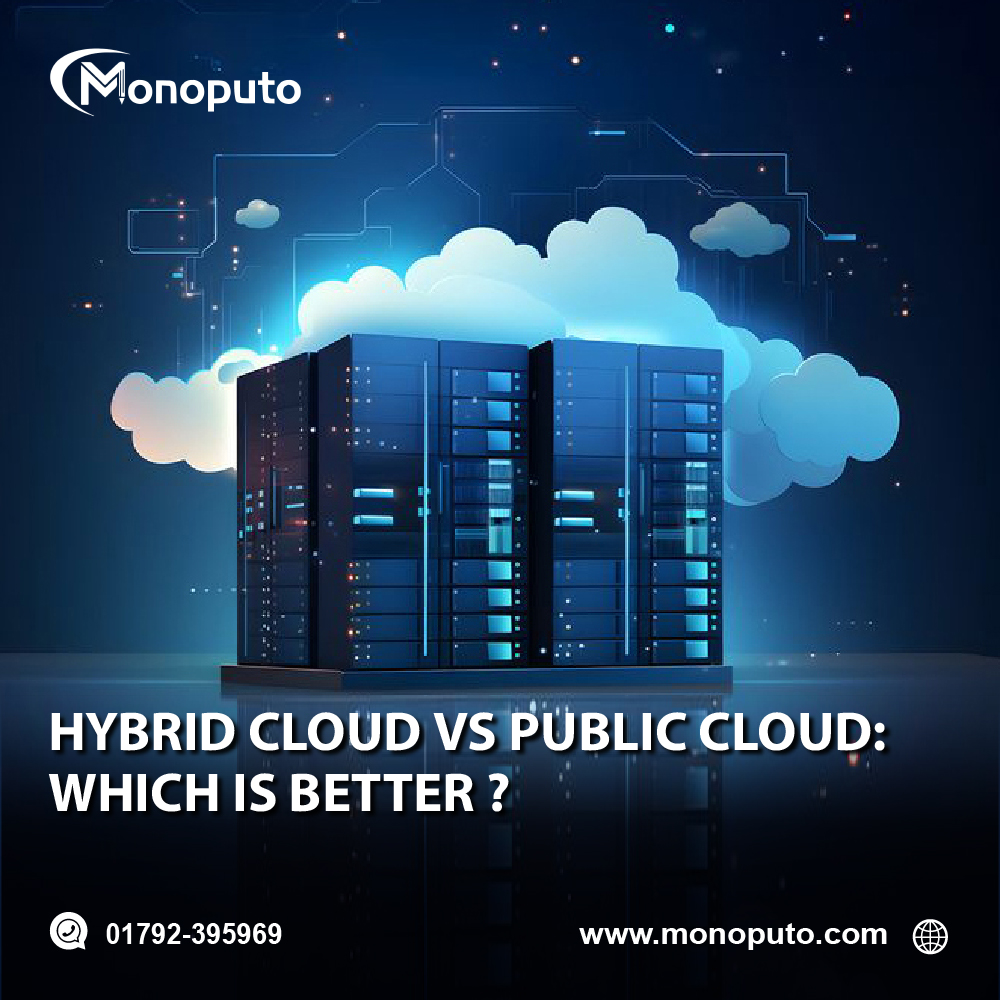
Cloud computing has revolutionized the way businesses manage data, applications, and IT infrastructure. As organizations embrace digital transformation, choosing the right cloud deployment model has become a critical business decision. Two of the most popular options are Public Cloud and Hybrid Cloud. While both offer scalability, flexibility, and cost savings, they serve different business needs and operational requirements.
So, which one is better for your business? The answer depends on factors such as your budget, security requirements, compliance obligations, and long-term growth strategy. In this guide, we'll compare hybrid cloud and public cloud solutions to help you make an informed decision.
What Is a Public Cloud?
A public cloud is a cloud computing model where computing resources such as servers, storage, databases, and applications are owned and managed by a third-party cloud provider. Multiple customers share the same infrastructure while maintaining secure, isolated environments for their data and applications.
Popular public cloud providers include Amazon Web Services (AWS), Microsoft Azure, and Google Cloud Platform.
Benefits of Public Cloud
Lower upfront costs
Pay-as-you-go pricing
Rapid deployment
Virtually unlimited scalability
Automatic software updates
High availability
Reduced IT maintenance
Public cloud services are an excellent choice for startups, small businesses, and organizations looking for affordable and flexible cloud solutions.
What Is a Hybrid Cloud?
A hybrid cloud combines a private cloud (or on-premises infrastructure) with a public cloud, allowing businesses to move data and workloads between the two environments as needed.
Sensitive applications and confidential data can remain in a private environment, while less critical workloads run in the public cloud.
This approach offers greater flexibility and allows businesses to optimize performance, security, and costs.
Public Cloud vs Hybrid Cloud: Key Differences
1. Infrastructure
Public Cloud
Infrastructure is owned and managed entirely by the cloud provider.
Hybrid Cloud
Infrastructure combines private systems with public cloud services, giving businesses more control over where workloads are hosted.
2. Cost
Public Cloud
Public cloud generally has lower startup costs because businesses do not need to purchase expensive hardware or maintain their own data centers.
Businesses only pay for the resources they use.
Hybrid Cloud
Hybrid cloud usually requires a larger initial investment because organizations maintain some on-premises infrastructure alongside cloud services.
However, it provides greater flexibility for optimizing long-term IT spending.
3. Security
Security is one of the biggest deciding factors.
Public Cloud
Cloud providers invest billions in advanced security technologies, including:
Encryption
Firewalls
Threat monitoring
Identity management
Multi-factor authentication
For many businesses, public cloud security is more advanced than what they could implement independently.
Hybrid Cloud
Hybrid cloud offers additional control over sensitive business information.
Organizations can:
Store confidential data on private servers
Meet regulatory compliance requirements
Control access policies
Customize security frameworks
Businesses in healthcare, finance, and government often prefer hybrid cloud solutions.
4. Scalability
Both deployment models provide excellent scalability.
Public cloud offers virtually unlimited computing resources that can be added instantly.
Hybrid cloud also provides scalability while allowing organizations to maintain critical systems in their private environment.
5. Performance
Public cloud performance depends on internet connectivity and cloud provider infrastructure.
Hybrid cloud allows businesses to place performance-critical applications on private systems while using public cloud resources for additional workloads.
This can improve application responsiveness for specific business operations.
6. Flexibility
Hybrid cloud provides greater flexibility by allowing organizations to determine where each workload should operate.
Businesses can easily move applications between environments based on:
Cost
Performance
Security
Compliance
Business priorities
7. Compliance
Industries with strict regulatory requirements often benefit from hybrid cloud solutions.
Examples include:
Healthcare
Banking
Government
Insurance
Legal services
Sensitive information can remain in private infrastructure while other operations leverage the scalability of the public cloud.
Advantages of Public Cloud
Public cloud is ideal for businesses seeking simplicity and affordability.
Key advantages include:
Minimal infrastructure costs
Quick implementation
Automatic updates
High reliability
Global accessibility
Built-in disaster recovery
Easy collaboration
Lower maintenance requirements
For many small and medium-sized businesses, public cloud provides everything needed to support daily operations.
Advantages of Hybrid Cloud
Hybrid cloud offers greater control and customization.
Benefits include:
Enhanced security
Greater workload flexibility
Improved compliance
Better disaster recovery options
Optimized performance
Easier migration from legacy systems
Business continuity
Long-term scalability
Hybrid cloud is especially valuable for businesses with complex IT environments.
Which Businesses Should Choose Public Cloud?
Public cloud is an excellent option for:
Startups
Small businesses
E-commerce companies
Marketing agencies
Software development firms
Educational organizations
Businesses with limited IT staff
If affordability, simplicity, and rapid deployment are your priorities, public cloud is often the best choice.
Which Businesses Should Choose Hybrid Cloud?
Hybrid cloud is better suited for organizations that:
Handle sensitive customer data
Operate under strict regulations
Maintain legacy systems
Need customized infrastructure
Require greater control over workloads
Have complex enterprise applications
Larger organizations often benefit from the flexibility hybrid cloud provides.
Factors to Consider Before Choosing
Before selecting a cloud model, evaluate:
Business size
Budget
Security requirements
Compliance regulations
Growth plans
Existing IT infrastructure
Disaster recovery needs
Internal IT expertise
Choosing the right cloud strategy should align with both your current operations and future business goals.
Why Choose Monoputo?
At Monoputo, we help businesses identify the cloud solution that best matches their operational requirements, budget, and growth objectives. Whether you're considering a public cloud deployment or planning a hybrid cloud strategy, our experienced team provides end-to-end support to ensure a secure and successful implementation.
Our cloud services include:
Cloud Consulting
Public Cloud Deployment
Hybrid Cloud Solutions
Cloud Migration
Cloud Security
Backup & Disaster Recovery
Infrastructure Management
AI Integration
IT Support
Managed Cloud Services
Our experts design scalable cloud environments that help businesses improve efficiency, strengthen security, and accelerate digital transformation.
Frequently Asked Questions
Is hybrid cloud more secure than public cloud?
Hybrid cloud offers greater control over sensitive data because businesses can keep critical workloads in a private environment. However, public cloud providers also offer robust security features, making both options highly secure when implemented correctly.
Is public cloud less expensive?
In most cases, yes. Public cloud requires little to no upfront investment and uses a pay-as-you-go pricing model, making it more affordable for startups and small businesses.
Can a business switch from public cloud to hybrid cloud later?
Yes. Many organizations begin with a public cloud environment and later adopt a hybrid cloud strategy as they grow, require greater control, or need to meet compliance requirements.
Conclusion
Both public cloud and hybrid cloud offer significant advantages, but the right choice depends on your business needs. Public cloud is ideal for organizations seeking affordability, scalability, and ease of use, while hybrid cloud provides greater control, flexibility, and enhanced security for businesses with more complex requirements.
Rather than asking which model is universally better, businesses should evaluate which solution aligns with their operational goals, compliance obligations, and future growth plans. A carefully planned cloud strategy can improve productivity, reduce costs, and position your organization for long-term success.
At Monoputo, we help businesses navigate every stage of their cloud journey—from planning and migration to optimization and ongoing support.
Get Started Today!
📞 Call: +880 1792-395969
🌐 Website: www.monoputo.com
📧 Contact Monoputo today for a FREE consultation and discover whether a public cloud or hybrid cloud solution is the right choice for your business.
Monoputo – Your Trusted Partner for Cloud Computing, AI Solutions, Cybersecurity, Digital Marketing, SEO, and Business Innovation.